
Mindfulness means paying attention to the present moment without judgment, using simple practices like breathwork, journaling, or mindful breathing to reduce stress and build emotional clarity in everyday life.
Ever catch yourself scrolling through your phone, only to realize you don’t even remember what you were looking for? Yeah, me too. That’s kind of the whole point of mindfulness — it’s not about emptying your mind or sitting cross-legged for hours (though, hey, if that’s your thing, go for it). It’s really just about noticing where you are, right now, instead of living three steps ahead or stuck in yesterday. In this post, we’re digging into everything from dream interpretations and aura colors to breathwork, journaling, and even how your finances tie into your overall well-being. Honestly, it’s a bit of a mixed bag — but that’s life, right? Stick around, because by the end, you’ll have some real, doable ways to feel a little more grounded in your own skin.
Jump to section
What mindfulness really means (and why it’s not just meditation)
Mindfulness is simply paying attention to the present moment without judging it. That’s it. No special equipment, no perfect posture required. It’s about noticing your thoughts, feelings, and surroundings as they happen, instead of running on autopilot.
A lot of people assume mindfulness and meditation are the same thing. They’re not. Meditation is one way to practice mindfulness, but it’s definitely not the only one.
Mindfulness vs. meditation: what’s the difference?
- Meditation is a formal practice — you sit, you breathe, you focus for a set amount of time.
- Mindfulness is a mindset you can bring into literally any moment, like washing dishes or walking to your car.
- You can meditate without being mindful (if your mind wanders the whole time), and you can be mindful without ever meditating.
Think of meditation as going to the gym, and mindfulness as staying active throughout your day. Both matter, but they’re not interchangeable.
Why this distinction actually matters
Research from Harvard Medical School found that mindfulness practices can physically change brain regions linked to stress and emotional regulation, even in people who never formally meditate. That means you don’t need a meditation cushion to get real benefits.
This matters because so many people avoid trying mindfulness, thinking they have to sit still and clear their mind for 20 minutes. That’s just not true. You can practice mindfulness while:
- Eating a meal slowly and actually tasting your food.
- Listening to someone without planning your response.
- Noticing the sensation of your feet hitting the ground as you walk.
Mindfulness is less about doing something extra and more about doing what you’re already doing, with your full attention. It’s accessible, it’s free, and it doesn’t require any special training to start.
Three years later: a psychologist’s questions to reflect and move forward
Sometimes the most powerful reflection comes years after a major life event. A licensed psychologist shared a set of questions designed to help people look back, process what’s happened, and move forward with more clarity.
These questions work well whether you’re reflecting on a breakup, a career change, a loss, or any turning point that reshaped your life. The idea isn’t to dwell on the past. It’s to understand it, so you can carry its lessons forward instead of its weight.
Questions to ask yourself
- What did I learn about myself that I couldn’t have learned any other way?
- How has my definition of happiness changed since then?
- What would I tell myself if I could go back to that exact moment?
- Which relationships grew stronger, and which ones faded? What does that tell me?
- Am I still carrying guilt, anger, or fear from that time? Is it still serving me?
Psychologists often recommend writing out your answers instead of just thinking them through. Putting pen to paper slows down your thoughts and helps you process emotions more fully.
Why this kind of reflection matters
Research published by the American Psychological Association shows that structured reflection can reduce rumination — that’s the cycle of replaying negative thoughts over and over — by helping people reframe experiences in a more balanced way.
Three years, five years, even a decade later, these check-ins give you permission to grow. They remind you that pain can turn into perspective, and setbacks can become stepping stones, as long as you take the time to look back honestly.
Why your dreams might be trying to tell you something (snake dreams decoded)
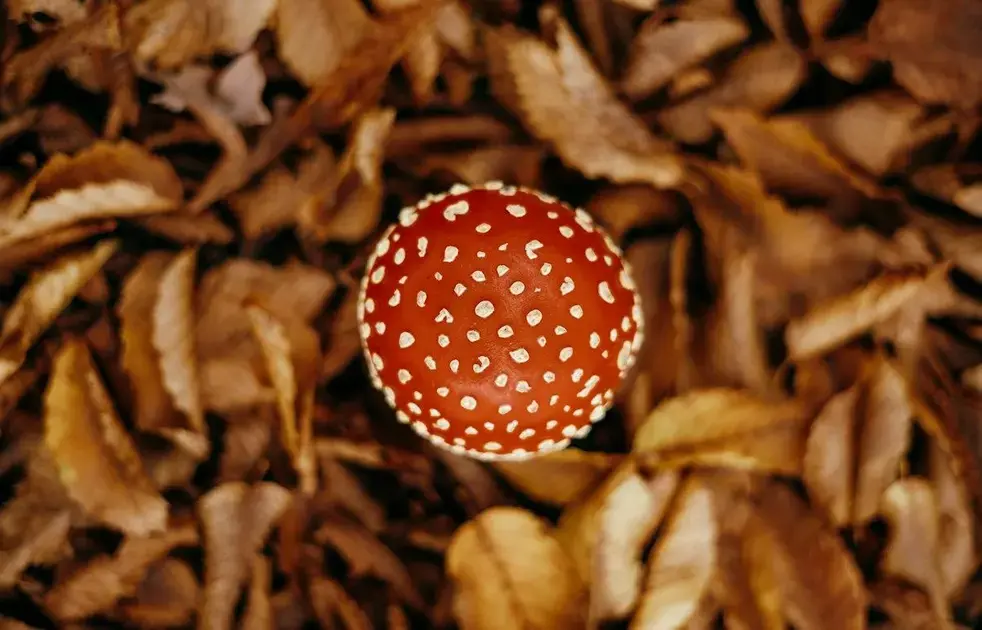
Dreaming about snakes can feel unsettling, but it’s actually one of the most common dream themes people report. Dream experts say snakes often symbolize transformation, hidden fears, or situations in your waking life that need your attention.
Your brain processes emotions and experiences while you sleep. So when a snake shows up in your dream, it’s usually not random. It’s your subconscious mind working through something.
What different snake dreams might mean
- Being chased by a snake: This often points to avoidance. You might be running from a problem or emotion instead of facing it.
- A snake biting you: This can signal that something, or someone, feels threatening or hurtful in your life right now.
- Multiple snakes: This may reflect feeling overwhelmed by several stressors at once.
- A snake shedding its skin: This is widely seen as a positive sign of growth, change, or leaving an old version of yourself behind.
Context matters too. Think about the snake’s color, size, and how you felt during the dream. Fear, curiosity, or calmness can all shift the meaning.
Why this type of reflection is worth your time
A survey from the American Academy of Sleep Medicine found that most adults dream multiple times a night, even if they don’t remember it. Paying attention to recurring dream symbols, like snakes, can offer real insight into stress patterns or unresolved feelings.
You don’t need to be a dream expert to benefit from this. Just jotting down your dreams each morning can help you notice patterns over time. It’s a simple way to tune into what your mind might be trying to process.
Understanding aura colors and what they reveal about your inner world
An aura is often described as the energy field surrounding your body, and many people believe its color reflects your emotional and spiritual state. While there’s no scientific proof auras exist, plenty of people find value in using this concept for self-reflection.
Think of it less like a fact and more like a tool. It gives you a fresh way to check in with how you’re feeling and where your energy is going.
What each aura color may represent
- Red: Passion, energy, or sometimes anger and stress that needs an outlet.
- Orange: Creativity and confidence, often tied to a strong sense of self.
- Yellow: Optimism and mental clarity, linked to a positive, active mindset.
- Green: Balance and connection to nature, often associated with healing.
- Blue: Calmness and clear communication, tied to emotional stability.
- Purple: Intuition and spiritual awareness, often linked to deep reflection.
- White: Purity and new beginnings, sometimes seen during major life transitions.
Some people believe they can see auras naturally, while others use aura photography, a technique that captures supposed energy fields using specialized cameras.
How to use this concept for self-reflection
You don’t need to believe in auras literally to benefit from thinking about them. Ask yourself: if my energy had a color right now, what would it be? That simple question can help you notice stress, excitement, or imbalance you might’ve overlooked.
A 2023 wellness trends report found that interest in energy-based practices, including auras, grew by nearly 30% among U.S. adults seeking alternative ways to understand their emotions. Whether or not you see it as literal, it’s a creative lens for self-awareness.
Cozy, calming things to do when you need time alone
Everyone needs a reset sometimes. Whether you’re feeling overwhelmed, drained, or just craving quiet, spending time alone can help you recharge in a real way. The key is choosing activities that actually calm your nervous system, not ones that just distract you.
Simple ways to unwind solo
- Make a warm drink and sit by a window. Something about sunlight and a cup of tea just slows everything down.
- Put on cozy socks and read a few pages of a book you actually enjoy, no pressure to finish it.
- Light a candle and stretch for ten minutes, focusing on your breath instead of your to-do list.
- Take a warm bath or shower without rushing through it.
- Write down three things on your mind, just to get them out of your head and onto paper.
These aren’t big productivity hacks. They’re small, quiet moments that give your brain permission to slow down.
Why alone time actually matters
A study from the University of Rochester found that solitude, when chosen intentionally, can lower stress and improve emotional regulation. It’s not about isolating yourself. It’s about giving your mind space to breathe.
You don’t need hours of free time to benefit. Even 15 to 20 minutes of calm, screen-free solitude can help you feel more centered before you jump back into your day.
Breathwork basics: three techniques beginners can start tonight

Breathwork is simply using controlled breathing patterns to shift how you feel, mentally and physically. You don’t need any equipment or experience. Just a few quiet minutes and a willingness to slow down.
These three techniques are beginner-friendly and easy to try before bed tonight.
1. Box breathing
- Inhale through your nose for 4 counts.
- Hold your breath for 4 counts.
- Exhale slowly for 4 counts.
- Hold again for 4 counts, then repeat.
This technique is actually used by Navy SEALs to stay calm under pressure. It’s simple, but it works by signaling your nervous system to relax.
2. 4-7-8 breathing
- Inhale quietly through your nose for 4 counts.
- Hold your breath for 7 counts.
- Exhale completely through your mouth for 8 counts.
This pattern, developed by Dr. Andrew Weil, is often used to ease anxiety and help people fall asleep faster.
3. Belly breathing
- Place one hand on your chest and one on your belly.
- Breathe in slowly through your nose, letting your belly rise, not your chest.
- Exhale slowly, feeling your belly fall.
This is the most basic form of breathwork, and it’s great for beginners who just want to feel more grounded in the moment.
Why breathwork actually helps
According to Harvard Health Publishing, slow, controlled breathing activates the parasympathetic nervous system, which is your body’s natural “rest and digest” mode. That means lower heart rate, less tension, and a calmer mind, often within just a few minutes.
How to know when you’ve gone deep into meditation
If you’ve ever wondered whether you’re “doing meditation right,” you’re not alone. Deep meditation feels different for everyone, but there are some common signs that tell you you’ve reached a more settled state.
Signs you’ve entered a deeper meditative state
- Your breathing slows down naturally, without you forcing it.
- Time feels distorted — ten minutes might feel like two, or like thirty.
- Your thoughts become quieter, with more space between them.
- You feel a sense of heaviness or sinking into your body, almost like melting into the chair or floor.
- Outside sounds feel distant, like background noise instead of a distraction.
You might also notice a tingling sensation or a feeling of warmth spreading through your body. That’s your nervous system shifting into a more relaxed state.
What’s actually happening in your brain
Research from the National Institutes of Health shows that deep meditation increases alpha and theta brain waves, which are linked to relaxation and reduced mental chatter. This is similar to the state your brain enters just before falling asleep.
You don’t need to chase these sensations every time you meditate. Some sessions will feel deep and still; others will feel restless. Both are normal, and both still count as valuable practice.
A simple way to check in
After meditating, ask yourself: do I feel calmer than before I started? If the answer is yes, even slightly, that’s a sign the practice is working, regardless of how “deep” it felt.
Why grief and celebration can coexist in your healing journey
Grief doesn’t follow a straight line, and it definitely doesn’t ask permission before showing up at a birthday, a holiday, or a wedding. Many people feel confused when they experience joy and sadness at the exact same time. The truth is, that’s completely normal.
Healing isn’t about choosing between grief and happiness. It’s about learning to hold both, sometimes in the very same moment.
Why these emotions often show up together
- Milestones remind you of what’s missing. A graduation, a new baby, or a promotion can bring joy while also highlighting who isn’t there to see it.
- Celebrating can feel like betrayal, even though it’s not. Many grieving people worry that moving forward means forgetting.
- Laughing or feeling happy doesn’t erase your loss. It just means you’re human, and life keeps moving even through pain.
This emotional mix even has a name in psychology: “grief bursts” paired with moments of genuine joy. It’s a sign of healthy processing, not a lack of love or respect for what you lost.
How to let both feelings exist at once
According to the American Psychological Association, grief is not a problem to “get over,” but a process to carry forward. That means it’s okay to cry during a celebration, or smile while missing someone deeply.
- Give yourself permission to feel both without guilt.
- Talk about your loss during celebrations if it feels right, lighting a candle or sharing a memory.
- Remind yourself that honoring joy doesn’t erase honoring grief.
Over time, most people find these emotions don’t cancel each other out. They actually deepen each other, making celebrations more meaningful and grief a little more bearable.
Affordable ways to turn your passion into a career you love

Turning a passion into a career can feel overwhelming, especially if you’re worried about money. The good news? You don’t need a huge investment to get started. Plenty of people have built meaningful careers by starting small and scaling up.
Low-cost ways to start building your dream career
- Start as a side hustle first. Keep your current income while testing your idea on nights and weekends.
- Use free or low-cost platforms like YouTube, Instagram, or Etsy to showcase your skills before investing in a website.
- Offer your services at a discount, or even free, to a few people in exchange for testimonials and a portfolio.
- Learn through free resources like YouTube tutorials, library books, or community college workshops instead of expensive courses.
- Network through local meetups or online communities instead of paying for expensive networking events.
The goal is to prove your idea works before spending a lot of money on it. Many successful freelancers and small business owners started exactly this way.
Why this approach actually works
According to the U.S. Small Business Administration, many successful businesses start with less than $5,000 in initial investment, especially service-based or creative businesses. That means your passion project doesn’t need a big budget to turn into real income.
Start where you are, use what you have, and grow from real experience. That’s often more valuable than any certification or expensive program.
Choosing the right certification path for your personal goals
With so many certification programs out there, picking the right one can feel like a part-time job in itself. The key is matching the certification to your actual goals, not just what looks impressive on paper.
Questions to ask before you commit
- What do I actually want to do with this certification? Teach, coach, work for a company, or build your own business?
- Is this certification recognized by employers or clients in my field?
- What’s the total cost, including materials, exams, and renewal fees?
- How much time will it realistically take to finish, based on my schedule?
- Does the program offer support, mentorship, or a community after I’m certified?
It’s easy to get drawn in by flashy marketing. But the most useful certifications are the ones that align with where you want to go, not just what’s trending right now.
How to compare your options wisely
Look for programs backed by accredited organizations or recognized industry bodies. According to the U.S. Bureau of Labor Statistics, workers with relevant certifications often see better job prospects and, in many fields, higher earning potential compared to those without one.
- Read reviews from people who’ve completed the program, not just the testimonials on the website.
- Check if there’s a payment plan, especially for pricier certifications.
- Consider starting with a smaller, foundational certification before committing to an advanced one.
The right path isn’t the fastest or cheapest one. It’s the one that actually fits your goals, your schedule, and your budget, so you can use it with confidence once you’re certified.
How the new moon in Cancer might stir up your emotions
The new moon in Cancer tends to hit differently than other new moons. Cancer is ruled by emotion, home, and family, so this lunar phase often brings up feelings you’ve been pushing aside.
New moons, in general, represent fresh starts. But when the moon lands in Cancer, that fresh start feels more personal, more tender, and sometimes a little raw.
What this new moon might bring up for you
- A need to slow down and retreat. You might feel less social than usual, craving home-cooked meals and quiet nights in.
- Memories or emotions tied to family, childhood, or past relationships resurfacing unexpectedly.
- A stronger-than-usual desire to nurture others, or to finally let someone take care of you.
- Increased sensitivity, meaning small comments or situations might feel bigger than they normally would.
This isn’t a sign something’s wrong with you. Cancer energy is deeply intuitive and emotional, so this new moon simply amplifies what’s already sitting beneath the surface.
How to work with this energy instead of against it
Astrologers often recommend using Cancer new moons for emotional reset, not big outward action. This is a great time to:
- Journal about what “home” and “safety” truly mean to you right now.
- Set intentions around emotional boundaries, self-care, or family relationships.
- Spend extra time resting, since Cancer energy supports deep emotional restoration.
A 2022 Pew Research survey found that nearly 30% of U.S. adults under 30 regularly follow astrology for self-reflection, often using lunar phases like this one as prompts for emotional check-ins. Whether or not you follow astrology closely, this is simply a good reminder to pause and tend to what you’re feeling.
What the solar eclipse new moon means for your sign

A solar eclipse new moon is one of the most intense lunar events in astrology. It’s a regular new moon, amplified, often bringing sudden shifts, unexpected news, or major turning points.
Unlike a typical new moon, which gently invites new beginnings, an eclipse tends to push things along faster than you’d planned. Think of it as the universe hitting fast-forward on something you’ve already been considering.
What eclipse season generally brings
- Unexpected endings or beginnings. Jobs, relationships, or living situations may shift suddenly.
- A pull toward decisions you’ve been avoiding, big changes often surface during eclipse windows.
- Heightened emotions or a sense that “something’s in the air,” even before you know why.
Eclipses typically happen in pairs, a solar eclipse new moon and a lunar eclipse full moon, about two weeks apart. Many astrologers see this as a six-month window of change, not just a single day.
How this might show up for different signs
- Fire signs (Aries, Leo, Sagittarius): May feel a strong urge to take bold action or start something new.
- Earth signs (Taurus, Virgo, Capricorn): Might experience shifts around finances, career, or stability.
- Air signs (Gemini, Libra, Aquarius): Could notice changes in communication, friendships, or social circles.
- Water signs (Cancer, Scorpio, Pisces): Often feel this energy emotionally, with deep introspection or healing themes.
You don’t need to overhaul your life during an eclipse. Many astrologers actually recommend waiting a few weeks before making big decisions, since eclipse energy can feel chaotic before it settles.
Instead, use this time to notice what’s shifting naturally, rather than forcing a decision in the moment.
Reverse engineering your life around what truly matters
Reverse engineering your life means starting with what you want your future to look like, then working backward to figure out the steps to get there. Instead of just reacting to each day, you’re designing it on purpose.
Most people plan forward: wake up, go to work, repeat. Reverse engineering flips that. You picture the life you actually want, then ask what today needs to look like to support that vision.
How to start reverse engineering your life
- Picture your life five or ten years from now. Where are you living? What does a normal Tuesday look like?
- Identify what truly matters in that picture, relationships, freedom, creativity, stability, whatever stands out most.
- Work backward and ask: what would need to be true one year from now to move toward that vision?
- Break that down further into what needs to happen this month, then this week.
This process naturally filters out distractions. If something doesn’t connect to your bigger picture, it becomes easier to say no to it.
Why this approach actually works
A well-known study from Dominican University found that people who write down specific goals and break them into actionable steps are significantly more likely to achieve them compared to those who don’t.
Reverse engineering gives you that same clarity. Instead of hoping things work out, you’re actively building toward a life that reflects what matters most to you, one intentional step at a time.
Using affirmations to ease anxiety, one thought at a time
Affirmations are short, positive statements you repeat to yourself, designed to gently shift negative thought patterns. They’re not about pretending everything’s perfect. They’re about giving your brain a different message to focus on, especially during anxious moments.
Anxiety often comes with a flood of “what if” thoughts. Affirmations work by interrupting that spiral and offering your mind something calmer to hold onto instead.
Simple affirmations to try during anxious moments
- “I am safe right now, in this moment.”
- “This feeling is temporary, and it will pass.”
- “I don’t have to figure everything out today.”
- “I’ve gotten through hard moments before, and I can get through this one too.”
- “It’s okay to slow down and breathe.”
You don’t need to fully believe the affirmation at first. Repetition matters more than instant belief. Over time, your brain starts to associate these phrases with calm instead of panic.
Why affirmations can actually help with anxiety
Research from UCLA’s Social Cognitive Neuroscience Lab found that simply naming or acknowledging an emotion, something affirmations encourage, can reduce activity in the brain’s fear center, the amygdala. That means putting words to your experience can genuinely calm your nervous system.
How to make affirmations part of your routine
- Say them out loud in the morning, even if it feels awkward at first.
- Write them on sticky notes where you’ll see them throughout the day.
- Pair them with slow breathing for an extra calming effect.
Affirmations aren’t a cure-all, but they’re a simple, free tool you can use anywhere, anytime anxiety starts creeping in.
Money habits that quietly drain your energy and wallet

Some money habits don’t just hurt your bank account, they quietly drain your mental energy too. You might not even notice them until you stop and really look at where your stress is coming from.
Common habits that drain you financially and emotionally
- Avoiding your bank account out of anxiety. Not checking your balance doesn’t make the stress go away, it usually makes it worse.
- Impulse spending to cope with stress, which often leads to guilt afterward, creating a frustrating cycle.
- Saying yes to plans you can’t really afford, just to avoid awkward conversations.
- Paying for subscriptions or memberships you forgot you even signed up for.
- Comparing your finances to friends or social media, which fuels unnecessary pressure to spend.
None of these habits make you bad with money. They’re usually tied to stress, avoidance, or not having a simple system in place yet.
Why this drains more than just your wallet
A 2023 American Psychological Association survey found that money is consistently one of the top sources of stress for U.S. adults, with over 60% reporting financial stress regularly. That stress doesn’t stay contained to your finances, it spills into sleep, relationships, and focus.
Small shifts that make a real difference
- Check your account balance once a week, even if it feels uncomfortable at first.
- Cancel one unused subscription this week, just one, to build momentum.
- Create a simple “pause rule”: wait 24 hours before non-essential purchases over $50.
- Be honest with friends when plans don’t fit your budget, most people respect it more than you’d think.
Small, consistent changes do more for your financial peace than one big overhaul ever could.
This week’s horoscope and the breakthroughs heading your way
This week carries a shift in energy, the kind that often brings clarity after a stretch of confusion or waiting. If you’ve felt stuck lately, you’re not alone, and that’s about to change.
What this week might bring, sign by sign
- Aries, Leo, Sagittarius: A breakthrough around confidence. You may finally feel ready to speak up about something you’ve been holding back.
- Taurus, Virgo, Capricorn: Clarity around money or work. A decision that’s been weighing on you starts to feel more obvious.
- Gemini, Libra, Aquarius: A conversation or message brings relief. Something you’ve been overthinking gets simpler than expected.
- Cancer, Scorpio, Pisces: Emotional breakthroughs around a relationship or family matter, bringing a sense of peace you’ve been needing.
No matter your sign, this week tends to reward honesty over avoidance. Conversations or decisions you’ve been putting off are more likely to go smoothly now than if you wait longer.
How to make the most of this energy
- Pay attention to recurring thoughts, they may be pointing you toward a decision you already know deep down.
- Stay open to unexpected conversations, they could carry more insight than you’d expect.
- Avoid rushing big decisions early in the week, clarity tends to build as the days go on.
A 2023 YouGov survey found that nearly 1 in 3 U.S. adults read their horoscope regularly, often using it as a simple prompt for reflection rather than strict prediction. Think of this week’s horoscope the same way: less about fate, more about tuning into what you already sense is shifting.
An honest look at astrology apps and psychic readings
Astrology apps and online psychic readings have exploded in popularity, especially among younger adults. But are they actually helpful, or just another distraction dressed up as self-care? The honest answer is, it depends on how you use them.
What these apps and services actually offer
- Daily horoscopes and birth chart breakdowns that explain your personality through your sun, moon, and rising signs.
- Tarot card readings, often framed as reflection tools rather than literal predictions.
- Live psychic chats or calls, where readers offer insight based on your questions or concerns.
- Compatibility reports for relationships, friendships, or even career decisions.
Some apps use real astrologers, while others rely on algorithms pulling from generic templates. It’s worth knowing the difference before paying for a “personalized” reading.
The upside: why people find value in them
A 2023 YouGov poll found that nearly 30% of U.S. adults under 30 use astrology apps regularly, often citing stress relief and self-reflection as their main reasons. Used this way, they function more like a journaling prompt than a fortune-telling tool.
The downside: where it can go wrong
- Relying on predictions instead of trusting your own judgment can leave you feeling stuck or anxious.
- Some psychic services use vague, general statements that feel personal but apply to almost anyone.
- Subscription costs can add up quickly if you’re not paying attention to recurring charges.
The healthiest approach? Treat these tools as a mirror, not a map. They’re great for reflection, but the decisions are still yours to make.
Simple financial habits that support a longer, healthier life

It might surprise you, but your financial habits can actually influence your physical health. Chronic money stress affects sleep, blood pressure, and even your immune system over time. The good news? Small, consistent habits can protect both your wallet and your well-being.
Financial habits linked to better health outcomes
- Building an emergency fund, even a small one, reduces the constant background stress of “what if something goes wrong.”
- Automating savings and bill payments removes decision fatigue and late fees, two things that quietly add stress.
- Tracking spending weekly, instead of avoiding it, helps you feel more in control rather than anxious.
- Avoiding high-interest debt when possible, since constant interest payments can create long-term financial pressure.
- Setting a simple budget that includes money for things you enjoy, not just bills and savings.
None of these require a finance degree. They’re small systems that reduce daily stress, which has a real impact on your body over time.
The health connection, backed by research
A study published by the American Psychological Association found that financial stress is directly linked to higher rates of anxiety, depression, and even cardiovascular issues. In other words, your bank account and your health are more connected than most people realize.
Small steps that add up over time
- Set up one automatic transfer to savings this week, even if it’s just $20.
- Review one recurring expense and ask if it still serves you.
- Create a simple, realistic budget instead of an overly strict one you won’t stick to.
Financial wellness isn’t about being wealthy. It’s about creating enough stability that your mind and body can finally relax.
Spending habits that boost mood without wrecking your budget
Spending money can genuinely boost your mood, but only when it’s intentional. The trick is finding small, meaningful purchases that bring real joy, without triggering the guilt or stress that comes from overspending.
Mood-boosting purchases that won’t break the bank
- Fresh flowers from the grocery store. A small, affordable way to brighten your space for under $10.
- A favorite coffee or tea out, enjoyed slowly instead of rushed, turns a routine moment into a small treat.
- A used book from a thrift store or library sale, giving you something new to look forward to.
- A small plant for your desk or windowsill, adding a bit of life to your daily environment.
- Trying a new recipe with affordable ingredients instead of ordering takeout.
These purchases work because they focus on experience and small joys, not status or impulse. That shift makes a real difference in how satisfied you feel afterward.
Why small, intentional spending feels better long-term
Research from Cornell University found that spending money on experiences, even small ones, creates longer-lasting happiness than spending on material items. That’s why a nice coffee moment often feels more satisfying than another item sitting unused in a drawer.
How to keep this mood-boosting spending in check
- Set a small monthly “joy budget,” even $20 to $30, so you’re spending with intention, not guilt.
- Pause before buying and ask: will I actually enjoy this, or am I just stressed right now?
- Focus on frequency over size, small joys spread throughout the month often feel better than one big purchase.
Mood-boosting spending doesn’t have to cost much. It just has to feel genuinely good, and align with what you can comfortably afford.
Getting cozy and regulating your nervous system this fall
As the weather cools down, your nervous system often craves a different kind of care. Shorter days and chillier temps can leave you feeling more tired, anxious, or just “off,” and that’s completely normal.
Fall is actually a great time to intentionally slow down and support your nervous system, the part of your body that controls your stress response and sense of calm.
Cozy ways to regulate your nervous system this season
- Layer soft textures around you. Blankets, sweaters, and warm socks aren’t just cozy, they can genuinely signal safety to your brain.
- Light a candle and dim harsh lighting in the evening to help your body wind down naturally.
- Sip warm drinks slowly, like tea or cider, which encourages slower breathing without you even realizing it.
- Spend time outside during daylight hours, even briefly, to support your mood as sunlight decreases.
- Try gentle movement like stretching or a slow walk instead of intense workouts when you’re feeling drained.
These small rituals aren’t just “self-care fluff.” They send real signals to your nervous system that it’s safe to relax.
Why your body responds so strongly to seasonal change
According to the National Institute of Mental Health, reduced sunlight in fall and winter can affect serotonin levels, which play a role in mood regulation. That’s part of why cozy, grounding habits feel especially comforting this time of year.
Simple nervous system resets for busy days
- Place one hand on your chest and take three slow breaths when you’re feeling overwhelmed.
- Keep a soft blanket nearby for quick comfort during stressful moments.
- Step outside for five minutes, even on a cold day, to reset your senses.
Fall doesn’t have to feel heavy. With a few intentional habits, it can become one of the most calming seasons of the year.
The zodiac signs most drawn to holistic healing practices

Some zodiac signs naturally lean toward holistic healing, things like energy work, herbal remedies, meditation, or alternative therapies. While anyone can explore these practices, astrology suggests certain signs feel especially drawn to this path.
Signs most connected to holistic and alternative healing
- Pisces: Deeply intuitive and spiritual, Pisces often gravitates toward energy healing, meditation, and emotional-based therapies.
- Scorpio: Drawn to transformation and depth, Scorpio often explores shadow work, therapy, and intense healing modalities.
- Cancer: Nurturing by nature, Cancer often connects with holistic practices centered on emotional and family healing.
- Virgo: Detail-oriented and health-focused, Virgo often explores holistic nutrition, herbal remedies, and body-based healing.
- Taurus: Grounded and sensory, Taurus often enjoys healing practices tied to nature, touch, and physical relaxation, like massage or aromatherapy.
These signs aren’t the only ones interested in holistic healing, but astrologers often point to them because of their natural traits: intuition, sensitivity, groundedness, and a desire for deeper understanding.
Why this connection makes sense
Water signs (Pisces, Scorpio, Cancer) are traditionally associated with emotional depth, which often draws them toward healing practices focused on feelings and intuition. Earth signs (Taurus, Virgo) tend to value practical, body-based approaches to wellness.
A 2022 wellness industry report found that holistic health practices in the U.S. have grown by over 20% in recent years, with interest spanning all demographics, not just specific zodiac signs. Astrology here is less about strict rules and more about noticing patterns in personality and preference.
Exploring holistic healing, regardless of your sign
- Try one simple practice, like herbal tea or guided meditation, before committing to anything elaborate.
- Notice what feels calming versus what feels forced, your body usually knows.
- Remember, your interest in holistic healing says more about your openness to growth than your zodiac sign ever could.
Journaling as a tool for a more inspired, intentional life
Journaling isn’t just about writing down what happened in your day. Done intentionally, it becomes a tool for clarity, self-discovery, and living with more purpose.
Many people avoid journaling because they think it has to be deep, poetic, or perfectly written. It doesn’t. The most powerful journaling is often messy, honest, and quick.
Simple journaling prompts to spark intention
- “What’s one thing I want more of in my life right now?”
- “What drained my energy today, and what gave me energy?”
- “If today went perfectly, what would that actually look like?”
- “What am I avoiding, and why?”
- “What’s one small step I can take tomorrow toward something that matters to me?”
These prompts aren’t about perfection. They’re about getting honest answers out of your head and onto paper, where they’re easier to understand and act on.
Why journaling actually changes how you think
Research from the University of Texas at Austin found that expressive writing can improve mental clarity and reduce stress by helping people process emotions instead of suppressing them.
Writing things down also activates a different part of your brain than simply thinking about them. That’s part of why journaling often leads to insights that just thinking alone doesn’t produce.
Making journaling a sustainable habit
- Start with just five minutes a day, consistency matters more than length.
- Keep your journal somewhere visible, like your nightstand or desk, as a reminder.
- Don’t worry about grammar or structure, this is for you, not anyone else.
Over time, journaling becomes less of a task and more of a mirror, helping you build a life that actually reflects what you want.
Books that support your spiritual growth this season
Sometimes the right book finds you at exactly the right moment. If you’re craving more depth, reflection, or peace this season, the right read can offer guidance you didn’t even know you needed.
Types of books worth exploring for spiritual growth
- Mindfulness and presence-based books that teach you how to stay grounded in the current moment instead of future worries.
- Memoirs about personal transformation, these offer real, relatable stories instead of abstract theory.
- Books on emotional healing, especially ones that blend psychology with spiritual practice.
- Poetry collections, which often say in a few lines what pages of prose can’t quite capture.
- Books centered on gratitude and intentional living, perfect for seasonal reflection.
You don’t need to read an entire book in one sitting. Many spiritual growth books are designed to be read slowly, a chapter or even a page at a time.
How to choose the right book for where you are right now
Ask yourself what you’re craving most: clarity, comfort, motivation, or stillness. Different seasons of life call for different types of guidance, and that’s completely normal.
- If you’re feeling overwhelmed, choose something short and calming, like a mindfulness-based read.
- If you’re craving change, memoirs about transformation can offer real-world inspiration.
- If you want deeper reflection, poetry or philosophical texts often work best.
A 2023 Pew Research study found that nearly 1 in 4 U.S. adults read for personal growth or spiritual reflection, often turning to books during seasonal transitions like fall or the new year. Reading this way isn’t about finishing fast, it’s about absorbing what actually resonates.
What to expect from the new moon in Sagittarius

The new moon in Sagittarius brings a noticeably different energy than more emotional or introspective lunar phases. Sagittarius is bold, adventurous, and optimistic, so this new moon often sparks a desire for freedom, growth, and new experiences.
If you’ve been feeling stuck or overly cautious lately, this lunar phase tends to nudge you toward taking a chance on something bigger.
What this new moon might stir up for you
- A craving for change, whether that’s travel, a new hobby, or simply shaking up your routine.
- Increased optimism, making it easier to see possibilities instead of obstacles.
- A desire to learn something new, Sagittarius energy is deeply curious and growth-oriented.
- Less patience for situations or people that feel limiting or overly restrictive.
This isn’t the time for overthinking. Sagittarius new moons tend to favor action, exploration, and honest conversations over cautious planning.
How to make the most of this energy
- Set intentions around personal growth, learning, or travel, even small steps count.
- Say yes to something that excites you, even if it feels a little outside your comfort zone.
- Journal about where you’ve been playing it too safe, and why.
Astrologers often describe Sagittarius new moons as a reminder that growth usually lives just outside your comfort zone. A 2023 YouGov survey found that nearly 30% of U.S. adults under 30 use lunar phases like this one to guide personal goal-setting, often treating new moons as natural checkpoints for fresh starts.
You don’t need a dramatic life overhaul. Even one bold, honest choice this week can reflect the spirit of this new moon.
Everyday rituals that help you stay present and grounded
Staying present doesn’t require hours of meditation or a complete lifestyle overhaul. Small, repeated rituals throughout your day can keep you grounded, even when life feels busy or chaotic.
Simple daily rituals that build presence
- Morning sunlight check-in. Step outside for a minute or two and simply notice how the air feels, no phone, just presence.
- A mindful first sip of coffee or tea, actually tasting it instead of drinking on autopilot.
- A “phone-free” transition moment, like the first five minutes after waking up or before bed.
- Touching a grounding object, like a smooth stone or your favorite mug, and noticing its texture.
- Pausing for three slow breaths before starting your car or walking into work.
These rituals work because they’re small enough to actually stick with, but intentional enough to interrupt autopilot living.
Why grounding rituals matter more than people realize
According to the American Institute of Stress, brief, repeated moments of mindfulness throughout the day can be more effective at reducing stress than one long session once in a while. Consistency matters more than duration.
Building rituals that fit your real life
- Attach a new ritual to something you already do daily, like brushing your teeth or making coffee.
- Keep it under two minutes, so it’s easy to maintain even on busy days.
- Notice how you feel afterward, calmer, clearer, more present, that feedback helps the habit stick.
Over time, these small grounding moments add up, creating a steadier, more present version of your everyday life.
Final thoughts
At its core, mindfulness isn’t about doing one big thing perfectly. It’s about noticing the small, ordinary moments, your morning coffee, a deep breath, a quiet walk, and letting yourself actually be there for them.
Whether you’re drawn to journaling, breathwork, astrology, or simply sitting with a cup of tea by the window, the goal is the same: coming back to yourself, one moment at a time. You don’t need every tool mentioned here. Just pick one that feels doable today.
So, what’s one small, grounding moment you could give yourself right now? Even a few slow breaths count. Start there, and let the rest unfold naturally.
FAQ — your questions about mindfulness answered
What is mindfulness, exactly?
It’s simply paying attention to the present moment without judging it, whether through meditation, breathing, or everyday tasks.
How is mindfulness different from meditation?
Meditation is a formal practice, while mindfulness is a mindset you can bring into any moment, like washing dishes or walking outside.
Can mindfulness really help with anxiety?
Yes, research shows that naming emotions and practicing present-moment awareness can calm your nervous system and ease anxious thoughts.
How long does it take to feel the benefits of mindfulness?
Some people notice a calmer mind within minutes, though consistent daily practice tends to bring more lasting results over time.
Is journaling considered a mindfulness practice?
Yes, journaling helps you slow down, process emotions, and stay present, making it a practical form of mindfulness.
Should I try breathwork if I’m new to mindfulness?
Breathwork is a great starting point since it’s simple, requires no equipment, and can be practiced anywhere in just a few minutes.